

NVH TECH SOLUTIONS

NVH TECH Automotive Noise and Vibration Control Materials

AE-TECH helps identify the noise or vibration source, compare NVH401 and NVH201 by installation location, and define a technical-evaluation pathway for NVH Foam.

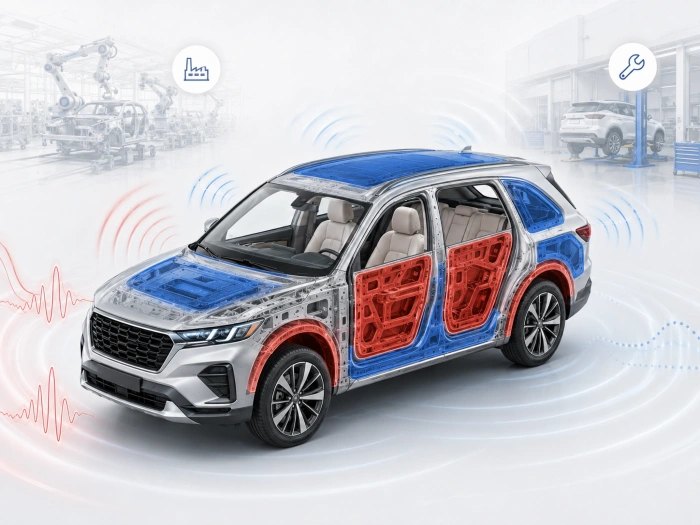
Solution illustration: NVH TECH Automotive Noise and Vibration Control Materials
TECHNOLOGY BRANDS

NVH TECH in noise and vibration control solutions

Quick answer

NVH401 and NVH201 are sheet materials selected according to vehicle location, thickness and installation conditions. NVH Foam requires a separate technical evaluation of the substrate, process and integration method for manufacturing applications.
Noise and vibration sources

Identify the source before selecting a material

The same vehicle may require different approaches by transmission path and location. Better inputs make the material direction easier to evaluate.

Air-borne noise

Record where the noise is heard and the operating conditions in which it appears.

Structure-borne vibration

Review the source or transmission point together with the related surface and structure.

Location-based treatment

Floor, doors, luggage area, roof and engine-bay-adjacent locations have different packaging constraints.

Selection logic

Choose NVH401 or NVH201?

The models are not complete substitutes. Select by location, space and whether the materials are used independently or together.

CriterionNVH401NVH201
StructureFour layers: MLV, foam rubber, aluminium foil and butyl rubber.Two layers: butyl rubber and aluminium foil.
Thickness5 mm.2 mm.
RoleA multilayer structure for locations with sufficient installation space.A thinner, more flexible structure used independently or alongside NVH401.
Suitable locationsFloor, doors, luggage area and engine-bay-adjacent locations.Roof, doors, luggage area and locations where NVH401 is difficult to install.
Three material pathways

Select products by application pathway

NVH401 and NVH201 support location-based vehicle treatment; NVH Foam follows a project-specific technical evaluation.

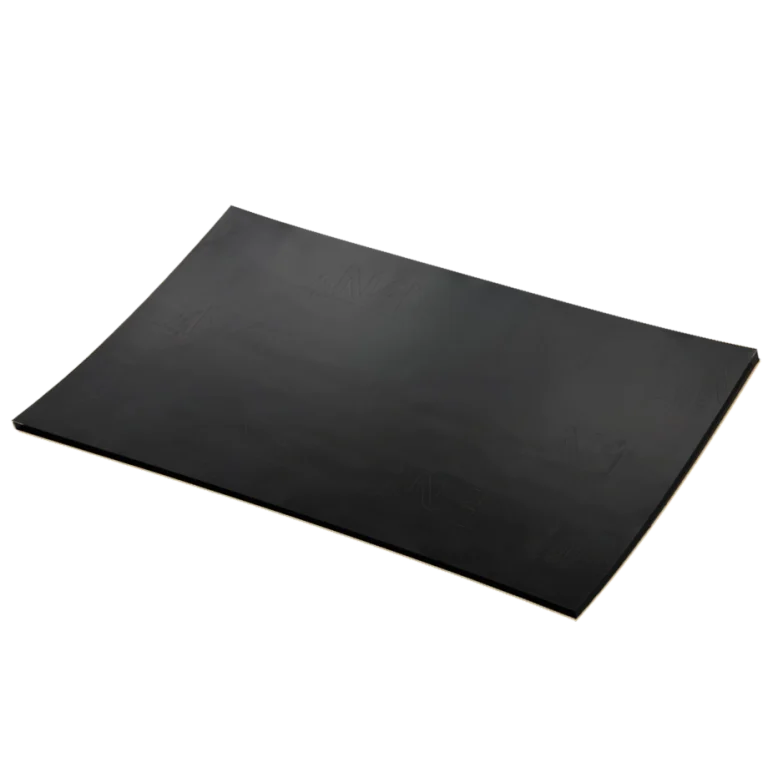
Product image: NVH TECH NVH401

NVH401

NVH TECH NVH401

NVH401 combines MLV, foam rubber, aluminum foil and butyl rubber in a four-layer, 5 mm structure. It can be considered where a multilayer structure is required; final selection depends on the vehicle model, location and installation conditions.
NVH TECH NVH TECH Automotive Noise-Control Materials
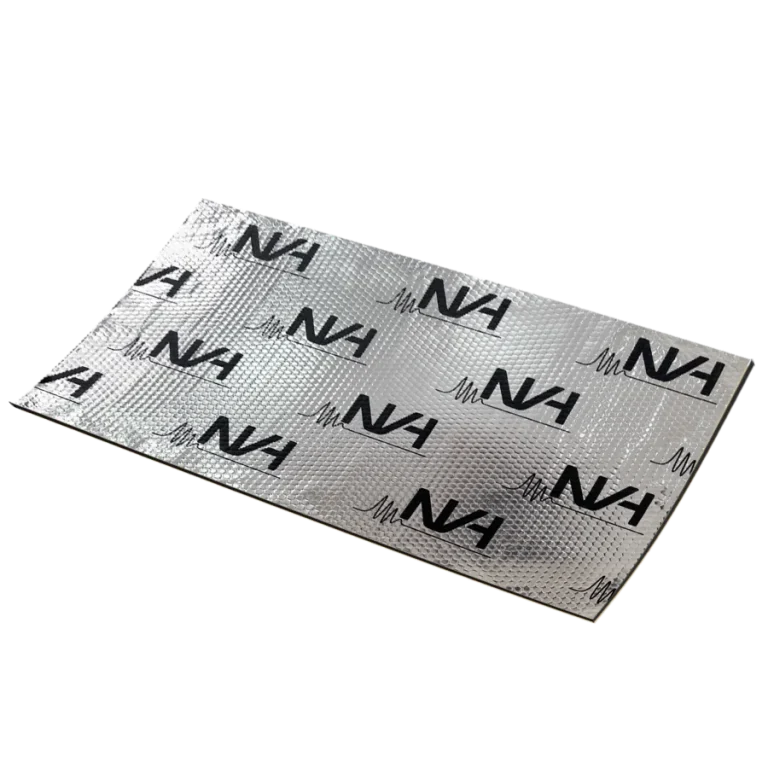
Product image: NVH TECH NVH201

NVH201

NVH TECH NVH201

NVH201 combines butyl rubber and aluminum foil in a two-layer, 2 mm structure. It is thinner and more flexible than NVH401 and may be used independently at suitable locations or together with NVH401 in the same treatment plan.

NVH TECH NVH TECH Automotive Noise-Control Materials
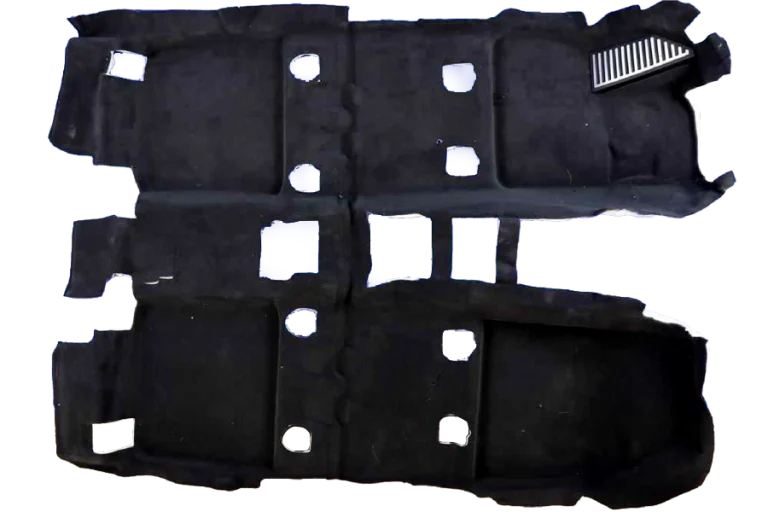
Product image: NVH TECH NVH Foam

NVH Foam

NVH TECH NVH Foam

NVH Foam is intended for automotive production and assembly contexts, not as a conventional aftermarket adhesive sheet. Selection must begin with the location, substrate, process step, technical requirements and integration method.

NVH TECH NVH TECH Automotive Noise-Control Materials
Material structure

Verified material-layer structures

These blocks show source-supported components, not the ratio or thickness of each individual layer.

MLV

NVH401

Foam rubber

NVH401

Aluminium foil

NVH401 + NVH201

Butyl rubber

NVH401 + NVH201

Two customer pathways

Aftermarket and factory teams require different discussions

1

Aftermarket: NVH401 and NVH201

AE-TECH compares the configuration with the vehicle and treatment scope before implementation.

  • Vehicle model and area of concern.
  • Current noise or vibration issue.
  • Independent or combined material guidance.
  • Installation through a partner garage; cost confirmed separately.
2

Factory: NVH Foam

A project-specific technical-evaluation pathway, not an aftermarket sheet-material choice.

  • Application location and substrate.
  • Process and technical requirement.
  • Documents, samples or testing need.
  • Integration-method evaluation before application.

Send your request to AE-TECH

Describe the component, operating conditions or technical issue so AE-TECH can prepare the right discussion.

The online form is not available yet. Please contact AE-TECH directly.

Contact AE-TECH